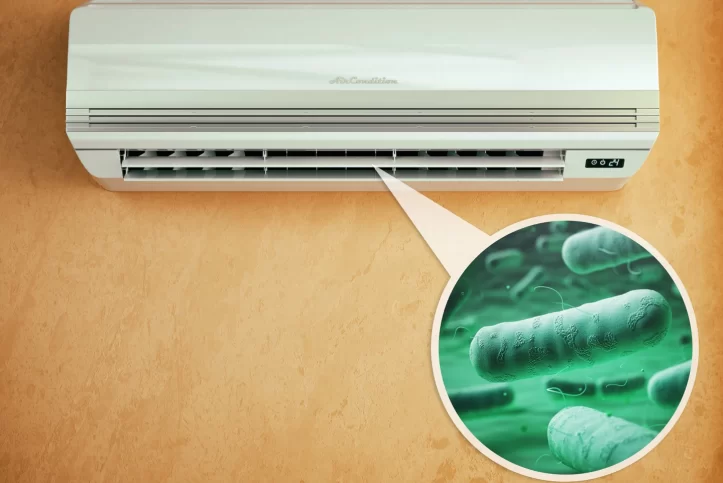

Assess your heating and cooling needs
Before you even get to the store, a little thought is in order. What are your heating and cooling requirements? A number of criteria come into play: the size of your home, the quality of its insulation, its geographical location and local weather conditions. If you live in a region with harsh winters, you'll need a heat pump powerful enough to provide efficient heating in very cold weather.

Surround yourself with specialists and benefit from the LogisVert program
Call in a specialist company who can assess your needs, recommend the most suitable model and install the unit to ensure optimum performance.
And thanks to Hydro-Québec's LogisVert program, You could receive financial assistance of up to 6,700 $ on certain models. That's a serious boost that will make your purchase even more advantageous. And thanks to your new heat pump, you'll enjoy substantial recurring savings on your electricity bill.
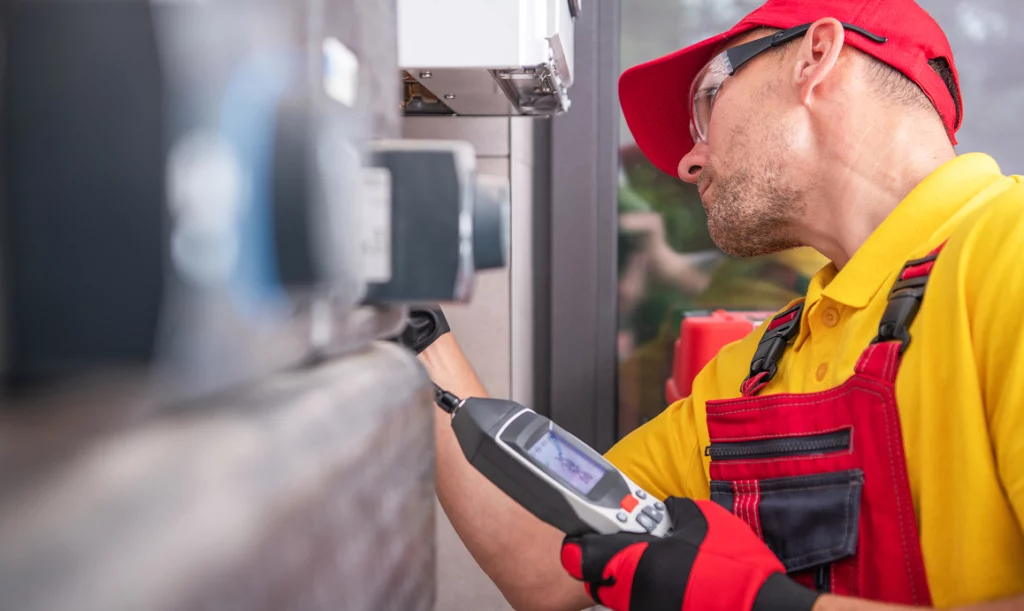
Distinguishing heat pump types
Air-to-air, air-to-water, geothermal: there are many different types of heat pumps, each with its own advantages and disadvantages. Here are a few tips to get you started:
- Air-to-air units capture thermal energy from the outside air to heat or cool the inside of the home. These are the most common models. They are suitable for homes in regions with moderate climates. However, they are less effective when temperatures are extremely low.
- Air-to-water heat pumps work like air-to-air heat pumps, but transfer heat energy from the air to water, which is then circulated through a central system. They are suited to colder climates. They require the installation of a water distribution system.
- Geothermal heat pumps use the heat in the ground to heat and cool the interior of the home. While installing a geothermal system is initially more expensive, the investment is well worth it: savings of over 60 % on heating costs compared with traditional systems, a lifespan of up to 20 years, ease of maintenance, versatility, to name but a few.